
Serendip is an independent site partnering with faculty at multiple colleges and universities around the world. Happy exploring!

Mosaic Inception
Dialogue with Dead Men
The pages swim before my eyes
a jumble of letters
speaking for a man
long gone.
I demand for him to talk
to tell me what he thought
but his speech is slurred
and his mind is elsewhere.
He sits across the table
ephemeral
and already fleeing
back to his half-life
among the underlined words
and desecrated corpses
This post is a kind of mosaic within a mosaic within another mosaic (Hence the title). Firstly it’s a mosaic because I wrote this poem a long time ago and I am now combining it with recent writing. Secondly because I’m mixing poetry and prose and thirdly because a couple of the lines are things I remember my political theory teacher, which I then combined with my own writing.
Anyways, back to how this applies to Sontag’s essay. This poem is a reflection and to a certain extent a complaint (like Sontag’s essay) about how we analyze and interpret authors without any idea as to what they truly intended to convey to us. Yet, since we can no longer speak to them, we must try to interrogate them through the writing they left behind. Sontag would say that there is no reason to try to derive meaning from their work, while I focused on how our interpretations are by no means guaranteed to be loyal to the original author. Sontag talked about change in interpretation over time, as well, when she said that the meanings we derive from a piece of art change to conform to our times and our own individual ideals.


A Letter to Barnes
A Letter to Barnes
Dear Mr. Barnes,
I’m a Bryn Mawr student and our class visited your museum last month. I appreciate the difference your Barnes’ Foundation has made from other normal museums, but I have some doubts about the purpose of the museum you set up.
When I went in the museum, I felt the distinctive style you made. You filled the place with all the paintings crowded on the walls, and they do not even have any name tags nearby. I liked the style of building, which was later revealed as the reform of your own house. It’s an inviting place, with all the wood furniture and small rooms. I went to New York’s Museum of Modern Art twice and saw many of the world-known pieces there, but the place seems more like a tourist place than yours. Barnes Foundation did renew my impression for museums, and it’s also an art piece itself. I admire its inversion of former interpretation of art, but when I hear your idea, or critiques of former museums, that they are not presenting art in proper forms. And the purpose of setting up Barnes Foundation was to prevent your own collection to join one of those museums you disliked.


Last Trip in Philly
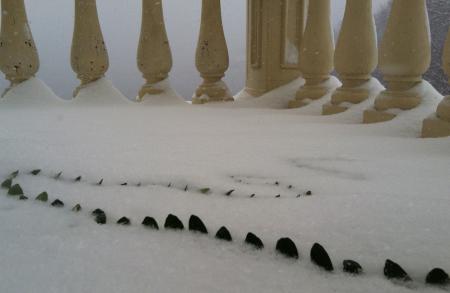
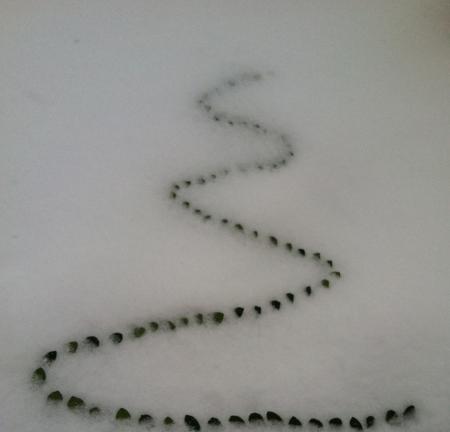
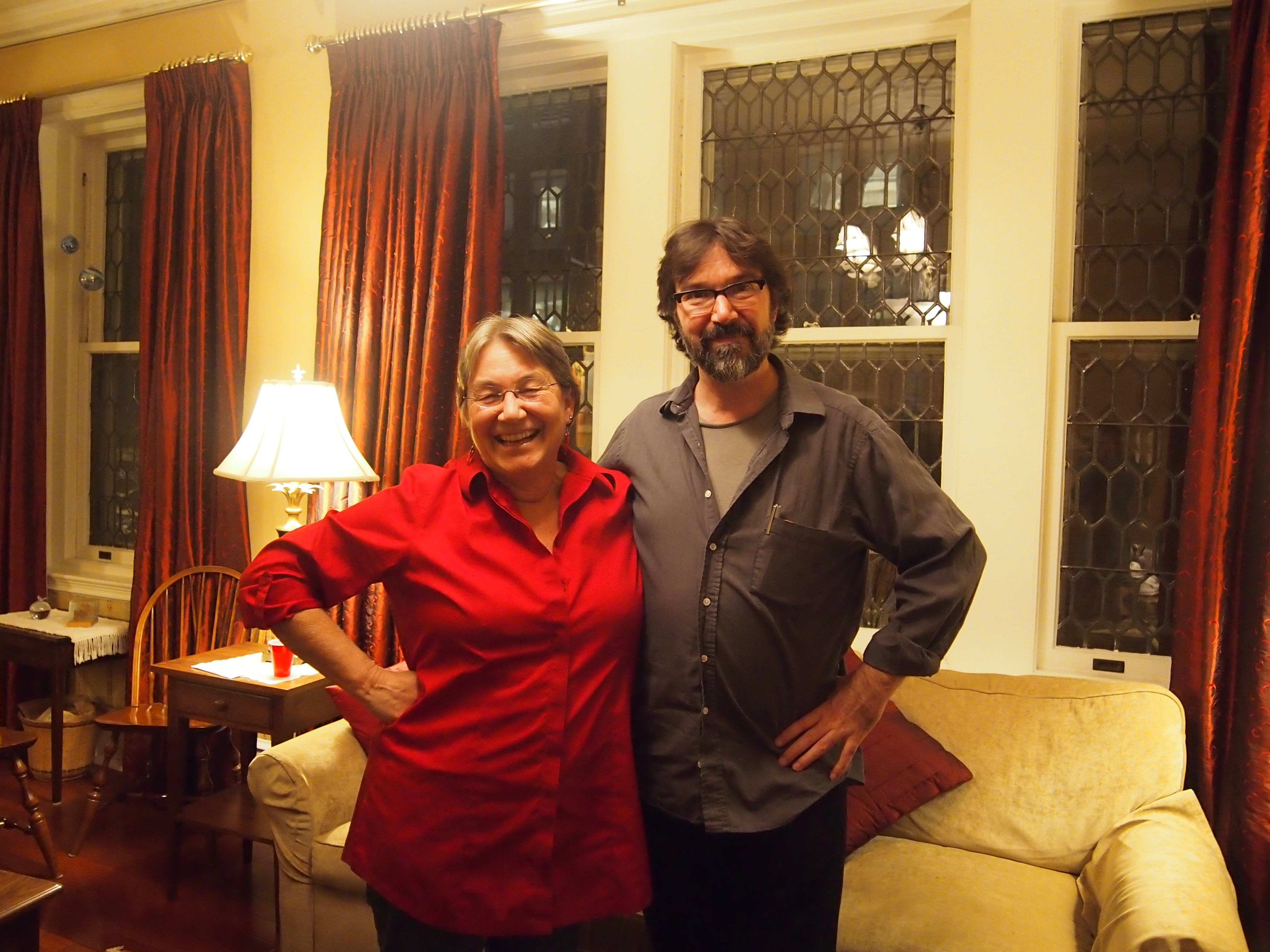
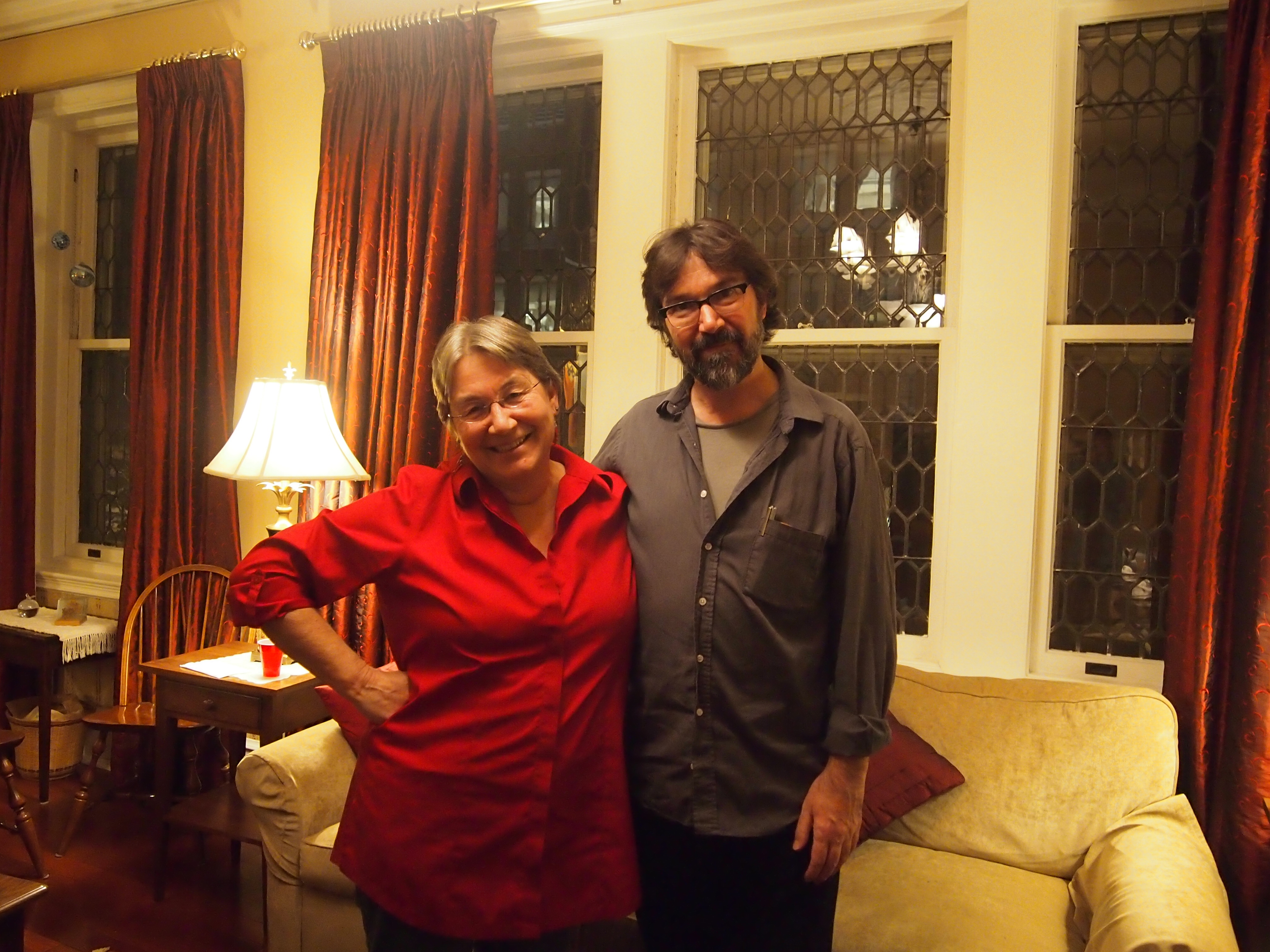
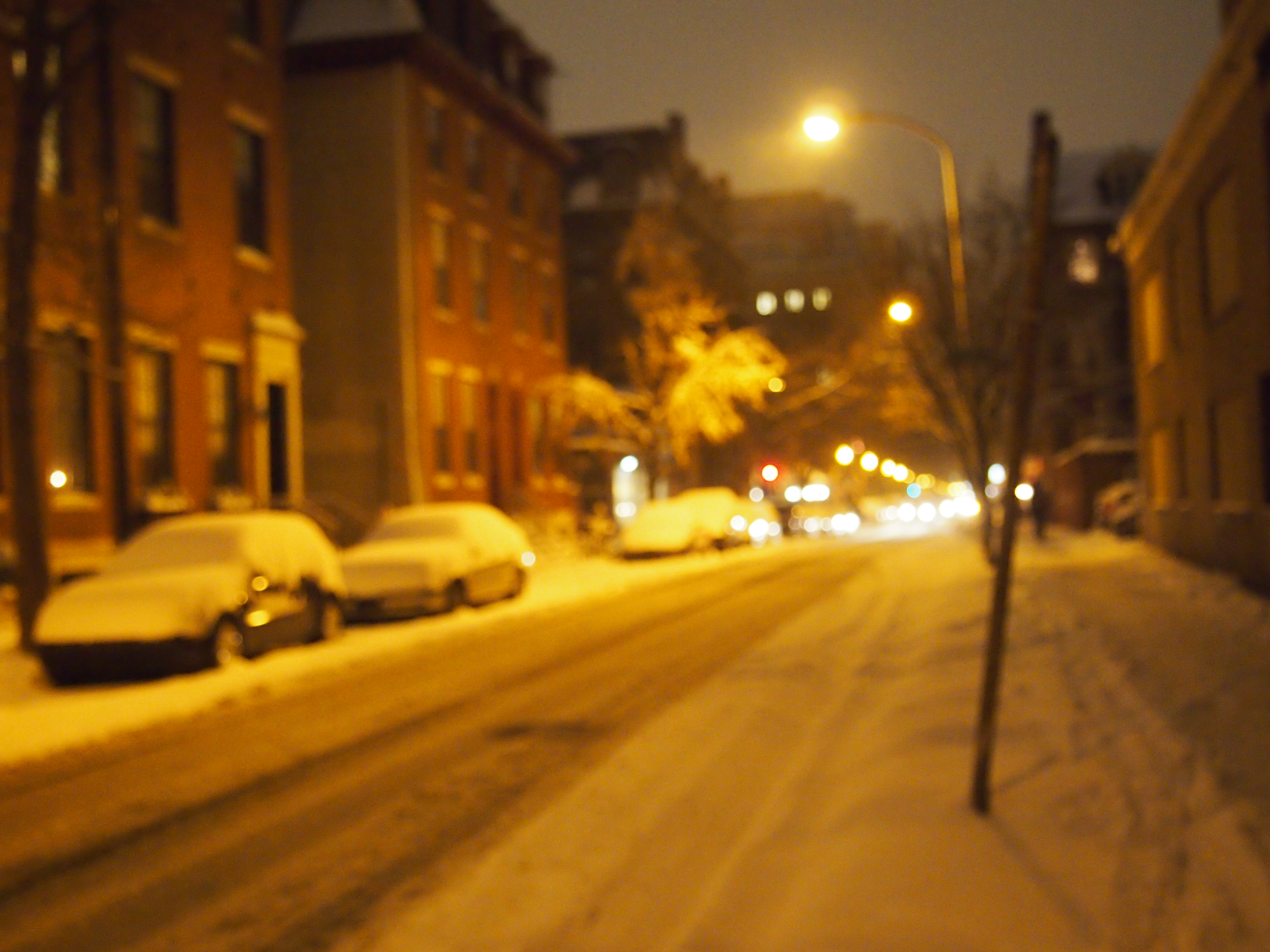
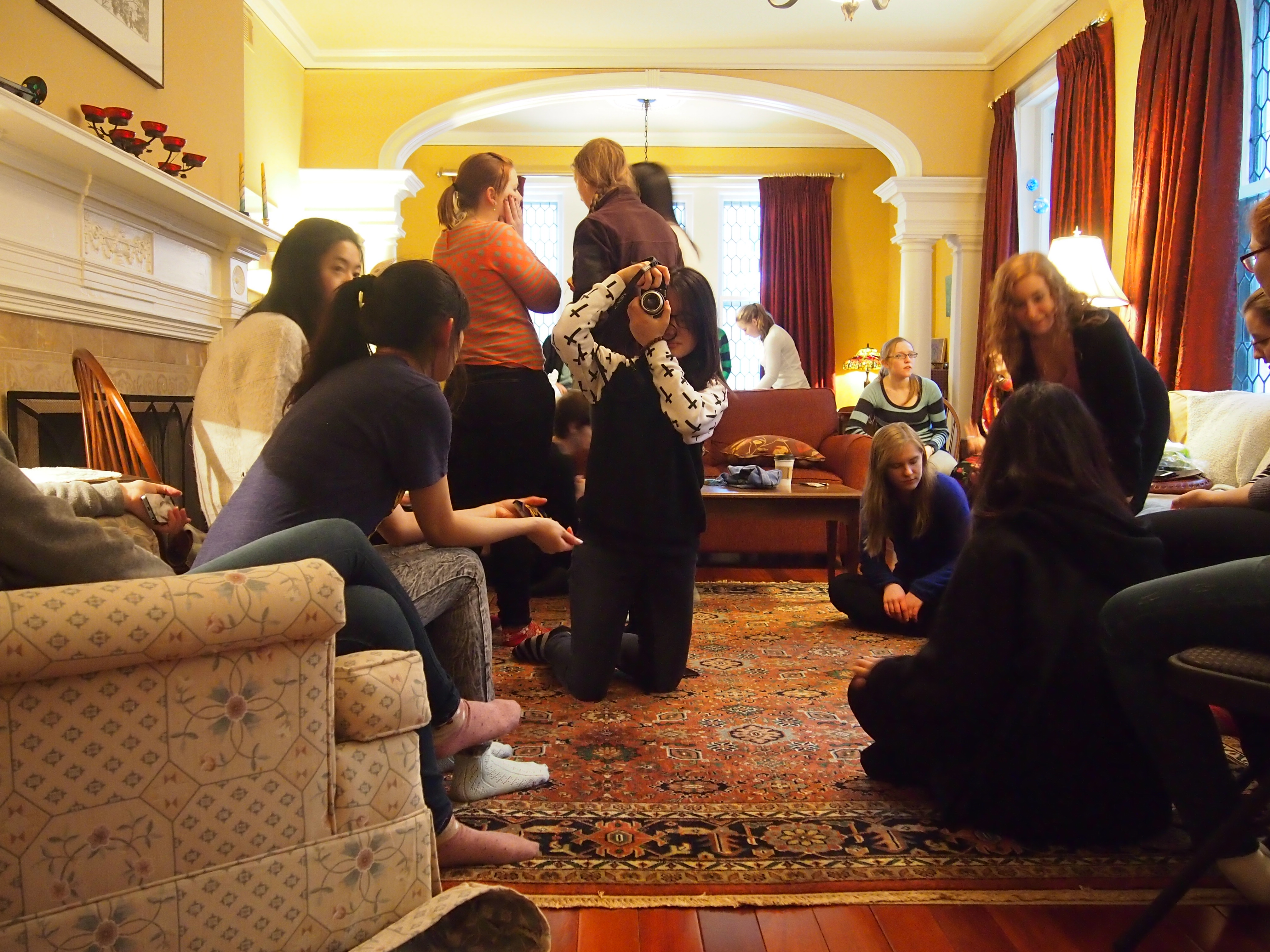
I remember the very first time when I was in Philly, it was snowing very heavily, and I wrote that in my first paper for ESEM. I am very happy that the last trip ends in snow too. Starting with snow and ends with snow, that is lovely. I live in the south of China, I have seen snow in my hometown twice for eighteen years, and every time makes me scream. I didn't really have any plans for the last trip, so I ended up lingering around on the streets. I don't know why but snow gives me a feeling of warm. All is covered in white, and there are Christmas lights in many stores. It is like new year. I grabbed some snow and tried to make snow ball, but I didn't wear gloves, so I gave it up. I took a lot of photos till my hands were frozen. I would say it was really a tough walking, but I like it. When it snows, I always want to tell some one else it snows. It is snowing now:)
Barnes Rewrite
“Would you please turn on the light?” That’s what I first thought when looking at this painting, because the general appearance of this painting is very dark. The left side is darker than the right side, so dark that you can clearly see the tiny cracks on the painting due to it is very old. A woman is bending her back, drawing water from the urn. The light part on her apron makes her apron adds some three-dimension effect, and also makes it seem so heavy. The loose clothe and the creases on it make her clothes seem worn. The white cloth on her head covers her eyes, but it seems that she is looking at the bucket on the floor, tiredly. The light comes from the open door. There stands a woman, with something in her hand. I couldn’t see it clearly. I stepped back, tiptoed, stepped forward, and crouched: no matter what I did, I just couldn’t get what is in her hand. It seems long, probably a broom. There is a little child next to her. Her fingers are thick— she probably do a lot of chores every day. She looks like a servant, not hostess of a poor family, but servant, because the woman at the door dresses the same as her. Everything looks daily: the brooms, the buckets, even the women. Everything seems routine: the women may do it repeatedly, every day.

Would Barnes collect the new Barnes Foundation as a piece of artwork?
In order to read my experience of The Barnes Foundation as a piece of artwork through the lens of Barnes’s ideology, I can consider the time, access system, colors, architecture, people and artwork found in the building. I am thinking of what the space invites me to think as a piece of artwork in itself.

Remote Ready Biology Learning Activities

Remote Ready Biology Learning Activities has 50 remote-ready activities, which work for either your classroom or remote teaching.
What's New? Subscribe to Serendip Studio
A Random Walk
New Topics
-
4 days 4 hours ago
-
4 days 4 hours ago
-
4 days 4 hours ago
-
4 days 4 hours ago
-
1 week 3 hours ago
