
Serendip is an independent site partnering with faculty at multiple colleges and universities around the world. Happy exploring!


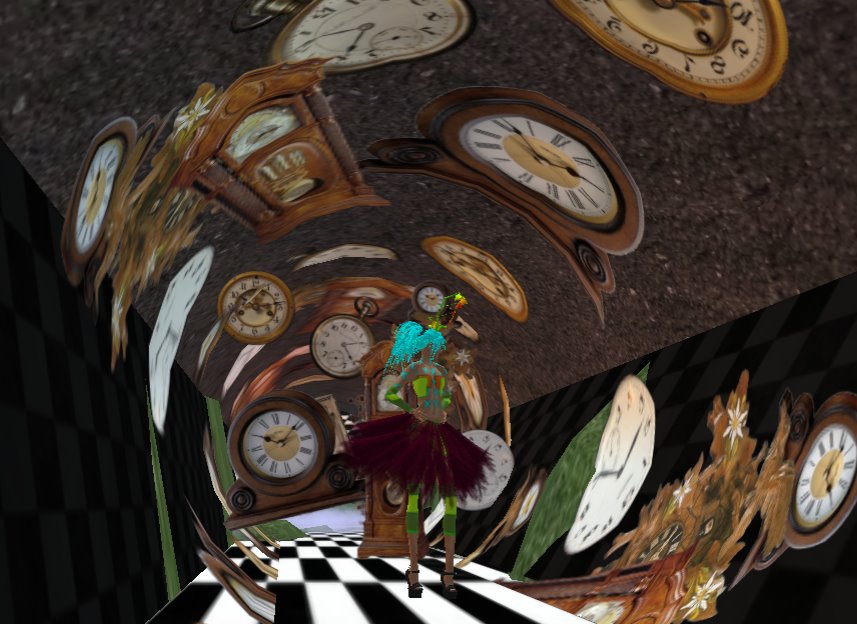

the extent of being personal
I was just looking at different women's news articles online and came across this one which I thought sort of legitimized the fears of some seniors in the class about posting things online for everyone to see. Obviously the woman that this article discusses has gone way too far in publicizing her life on the internet, but it still leaves the question open, how far CAN you go before personal information becomes "too open" ?

class summary 3/25/10
We started the class by listening to Jefferson Airplane's "Go Ask Alice" and signing up for movie discussion groups. Anne discussed articles she has found online that could be interesting paper topics. Then we read responses some of us had written online about the differences (or similarities?) between reading a physical book, reading a book online, and listening to an audiobook. Rachelr and skindeep considered whether reading or watching/listening is a more imaginative activity, since watching or hearing something makes us do "less work." Aseidman questioned whether it's necessary to do more work. Anne suggested we might not necessarily work more but contribute more (in terms of interpretation and imagination) when we are only reading a text.


Tenniel's sketches...
Since we are looking today at the way Alice has been transfered through genres/platforms, I thought it would be interesting to share this:
Although I only viewed the first twenty minutes (I watched Neco z Alenky instead) of this stage play- filmed for TV- Alice in Wonderland, I did read that the set was designed from John Tenniel's illustrations of Alice in Wonderland:

Remote Ready Biology Learning Activities

Remote Ready Biology Learning Activities has 50 remote-ready activities, which work for either your classroom or remote teaching.
What's New? Subscribe to Serendip Studio
A Random Walk
New Topics
-
2 days 3 hours ago
-
2 days 3 hours ago
-
3 days 6 hours ago
-
1 week 5 days ago
-
1 week 5 days ago
